Key points from the letter
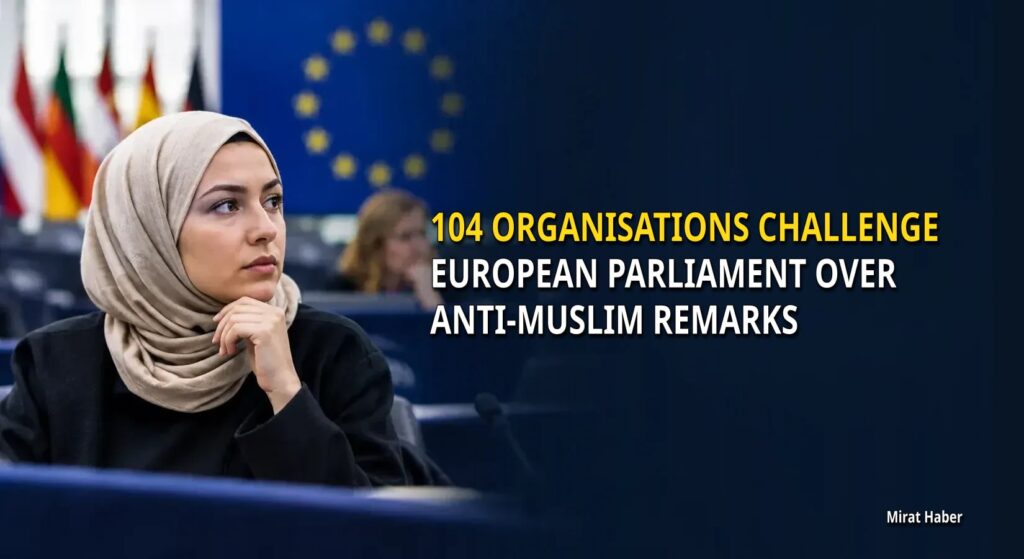
- The organisations described remarks made by some members of parliament during the session as hate speech and incitement to discrimination.
- The letter argued that the remarks breached Rule 10 of the European Parliament’s Rules of Procedure and Article 21 of the EU Charter of Fundamental Rights.
- It warned that a draft resolution debated in Parliament on 7 October could restrict participation and funding for organisations working with Muslim young people and communities.
Which remarks are the organisations challenging?
The letter challenges the portrayal of Muslims as a threat to the democratic system and calls targeting religious practices. The signatory organisations reported that remarks during the session called for prayer rooms to be closed and headscarves and halal food to be banned. They said these statements targeted people across Europe because of their perceived religion or background.
The letter also highlighted calls to combat Islam’s influence on everyday life and society, alongside remarks demanding the deportation of Muslims alleged to place the Quran above the constitution. These were statements the organisations reported hearing during the session, not measures described as having been implemented.
What this means for Muslim communities and youth organisations
The letter stresses that the concerns extend beyond parliamentary rhetoric. According to the organisations, Muslim communities face rising discrimination, hostility and violence. The stigmatisation of people because of their religion or background is central to the signatories’ concerns about the wider social impact.
Their warning about institutional restrictions concerns the draft resolution debated on 7 October. In the signatories’ assessment, its adoption could restrict participation in European institutions, access to those institutions and funding for organisations working with Muslim young people and communities. The letter therefore raises the prospect of restrictions if the resolution is adopted, rather than reporting funding cuts that have already taken place.
Questions about the letter
Which organisations signed the joint letter?
The 104 signatories include Amnesty International, the European Network Against Racism (ENAR), the Forum of European Muslim Youth and Student Organisations (FEMYSO), the International Federation for Human Rights (FIDH), the European Civic Forum and the Civil Liberties Union.
What did they ask European Parliament President Roberta Metsola to do?
The organisations asked Metsola to condemn the remarks made during the session that they described as hate speech, take the necessary action under Rules 183 and 184 of Parliament’s Rules of Procedure, and oppose the targeting of Muslim civil society organisations.