İstanbul
Hafif Yağmurlu
17°C
İstanbul
17°C
Hafif Yağmurlu
Çarşamba
Hafif Yağmurlu
19°C
Perşembe
Az Bulutlu
19°C
Cuma
Yağmurlu
20°C
Cumartesi
Hafif Yağmurlu
17°C

Garibabadi said Iran had cut the time needed to implement its plan to open the Strait of Hormuz to two days and sought US assurances that Iran’s conditions would be met.
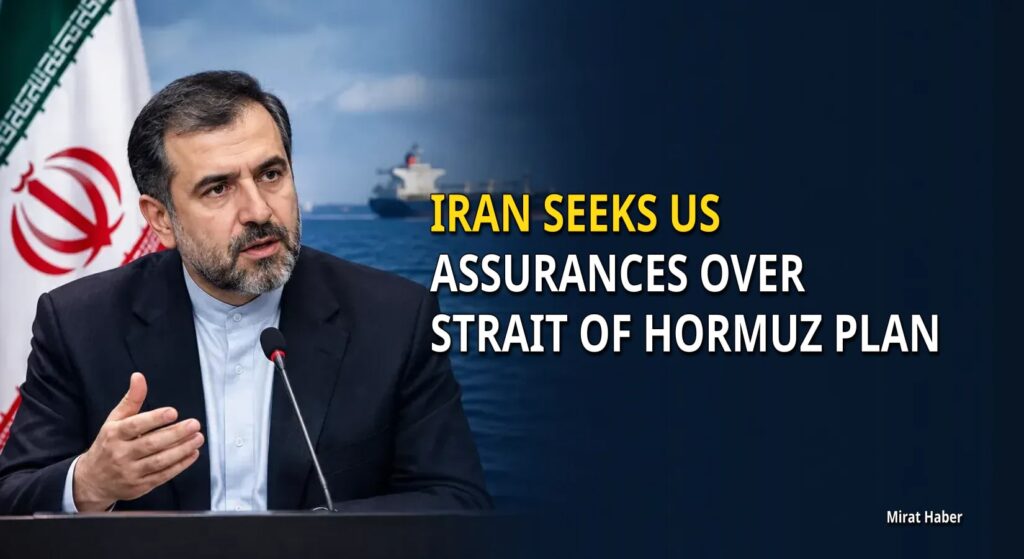
Speaking to Iranian state television, Garibabadi said Tehran had reduced the time needed to implement its plan to open the Strait of Hormuz from seven days to two. He said Washington had deferred implementation of some conditions and that reaching an agreement required US assurances that all of Iran’s conditions would be met. According to Garibabadi, the next step is for Washington to provide the necessary assurances that all of Iran’s conditions will be met. He argued that Iran had demonstrated its willingness to fulfil its diplomatic obligations and said Tehran expected concrete action from the US. He stressed that the two sides would not reach an agreement if the approach of postponing implementation of some conditions continued. The two days in Garibabadi’s statement refer to the time he said would be needed to implement Iran’s plan to open the Strait of Hormuz. He said the timeframe had been reduced from seven days to two. The statement is Tehran’s assessment of how quickly the plan could be implemented, not a confirmed timetable for opening the strait within two days. Garibabadi said the International Atomic Energy Agency (IAEA) would not be allowed access to nuclear facilities until Iran’s conditions were met and the war had ended permanently. He thus made inspection access conditional on both Iran’s conditions being met and a permanent end to the war.Key points from the statement
What is the next step for the two sides?
Questions about the plan and nuclear inspections
What does the two-day timeframe mean?
What conditions does Iran set for IAEA access to nuclear facilities?