
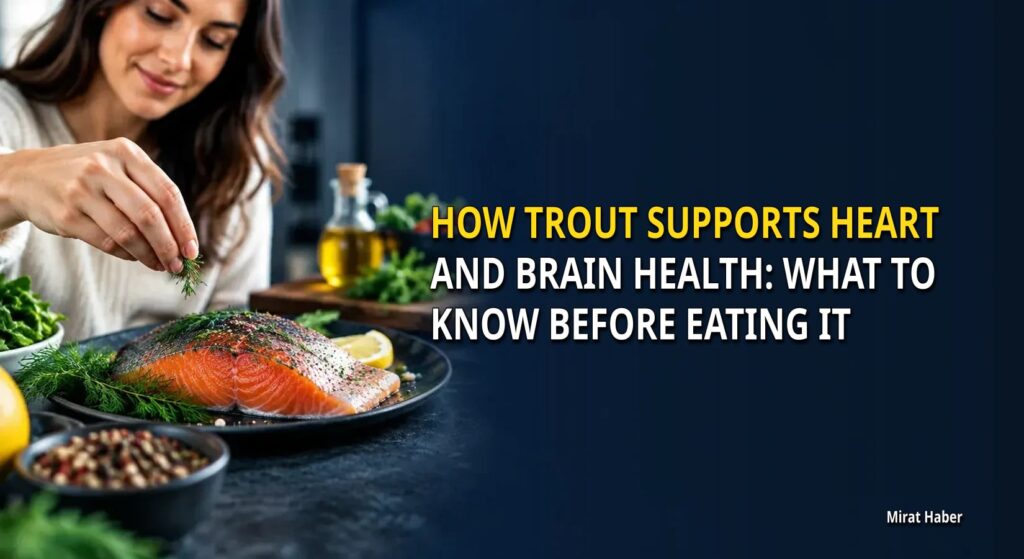
Trout is among the foods that support heart, brain and muscle health thanks to its EPA and DHA omega-3 fatty acids and protein of high biological value. According to expert assessments reported by Sözcü, citing La Nacion, the key is not to treat this fish as a food that can prevent disease on its own. For children and older adults, preparation and storage conditions matter as much as its nutritional content. According to nutritionist Patricia Mariela Chavez, whose views are included in the report, the EPA and DHA in trout help maintain healthy triglyceride levels and proper blood vessel function. Omega-3 fatty acids also play a role in brain and nervous system function. However, experts stress that no single food can prevent disease on its own and that different types of fish should be eaten in rotation. Research findings cited in the report point to a link between regular fish consumption and a lower risk of heart disease. Regular consumption of large amounts of fish is also reported to be associated with a lower risk of cognitive impairment and dementia. These findings concern fish consumption generally, not trout alone. Chavez also highlights trout’s protein of high biological value. This protein, which supplies the amino acids the body needs, is said to help preserve muscle mass, particularly in later life. Trout’s role in the diet therefore extends beyond its fatty acids. Trout contains selenium, phosphorus, vitamins B12 and B6, niacin and vitamin D. These nutrients have different functions in the body: vitamin D supports calcium absorption and, together with phosphorus, helps maintain healthy bones and teeth. As part of the body’s antioxidant system, selenium supports normal immune function. B vitamins play a role in nutrient metabolism and nervous system function. The report considers these vitamins and minerals alongside trout’s protein and omega-3 content when discussing its nutritional value. Consumers buying trout are advised to choose reputable retailers with the required permits. Springy flesh and a mild, pleasant smell are key signs of freshness. After purchase, the fish should be taken home as quickly as possible. The following storage and preparation points are highlighted: Trout’s flesh becomes tender when cooked, which can make it easier for children and older adults to eat. However, this does not change the need to remove the bones and cook it thoroughly before serving it to children. Yes. Farmed trout retain most of the nutritional qualities of wild trout, including complete protein, EPA and DHA, vitamins and minerals. However, total fat content and fatty acid proportions can vary depending on feed, the fish’s size and age, and farming conditions. No. Cooking does not remove mercury from fish. Trout is low in mercury, while large, long-lived predatory fish can contain higher levels. The choice of fish species should therefore be considered separately from how it is cooked.Key facts about eating trout
How does trout support heart and brain health?
What functions do its vitamins and minerals support?
Buying, storing and preparing trout at home
Frequently asked questions about trout
Does farmed trout retain its nutritional value?
Does cooking trout remove its mercury?
The report this article draws on: Sözcü’s report on the nutritional content of trout.